
Crafting a cricket bat is a labour of love, blending traditional craftsmanship with the nuanced demands of modern cricket, and it has taken me years to master. I'm still learning every day. One particular element is polishing a cricket bat.
Among the various steps involved, cricket bat polishing stands out, employing a combination of beeswax and specialised polishing compounds to achieve a perfect finish.
But why do we polish the cricket bat?
Polishing a cricket bat with beeswax and compounds enhances its appearance, protects against moisture, and prolongs its lifespan without affecting performance. It ensures the bat remains in top condition, repelling water and wear, while showcasing the wood's natural beauty.
So, read on and get all the nitty gritty details.
Preparing the Cricket Bat Before Polishing
Before any polishing takes place, the bat needs to be properly prepared. This step is often overlooked, but it plays a massive part in ensuring that the beeswax and polishing compounds adhere evenly and work as intended. A clean and smooth bat surface allows the wax to penetrate better and gives you a flawless finish, and this is the same for our adult bats and our junior cricket bats.
Light Sanding for Surface Perfection
Many players ask whether a cricket bat should be sanded before finishing. The answer is yes, but only lightly. Using a fine-grit sandpaper, typically around 320 to 400 grit, helps remove minor dents, surface marks, and any raised fibres on the face or edges. This never removes a meaningful amount of willow; it simply tidies the surface, ready for protection.
When Your Bat Needs Preparation
Another common question is how to know when a bat needs this kind of surface prep. If the face feels rough, if the grain looks raised, or if you notice small marks from play or training, a quick sand will help restore a clean base before polishing.
The Initial Gloss: Cricket Bat Bees Wax Polishing
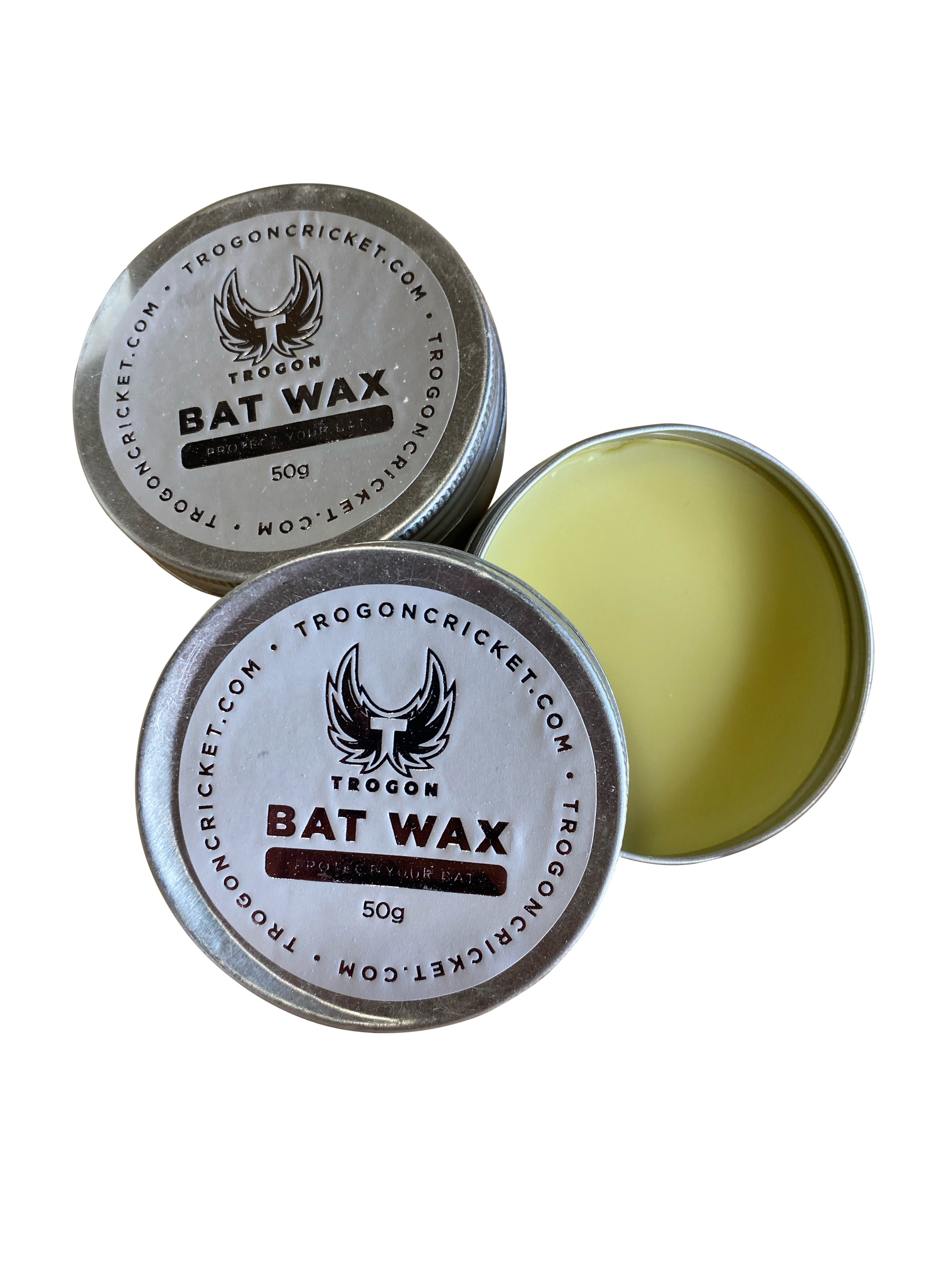
The journey of cricket bat polishing begins with the application of cricket bat beeswax, which, by the way, we sell and can be purchased from Trogon wax.
This natural wax is celebrated for its protective properties and its ability to imbue the wood with a subtle, natural sheen that enhances the bat's visual appeal without affecting its performance.
Why Cricket Bat Bees Wax?
- Natural Protector: Cricket bat bees wax serves as a barrier against moisture, crucial for maintaining the integrity of the willow. It prevents the absorption of moisture, which can lead to swelling and deterioration of the wood.
- Aesthetic Enhancement: The wax lends a smooth, matte finish that accentuates the natural grain of the willow, making each bat visually unique.
- Preservation: Beyond aesthetics, beeswax penetrates the wood, nourishing it, and prolonging its lifespan by protecting it against the elements.
The Process
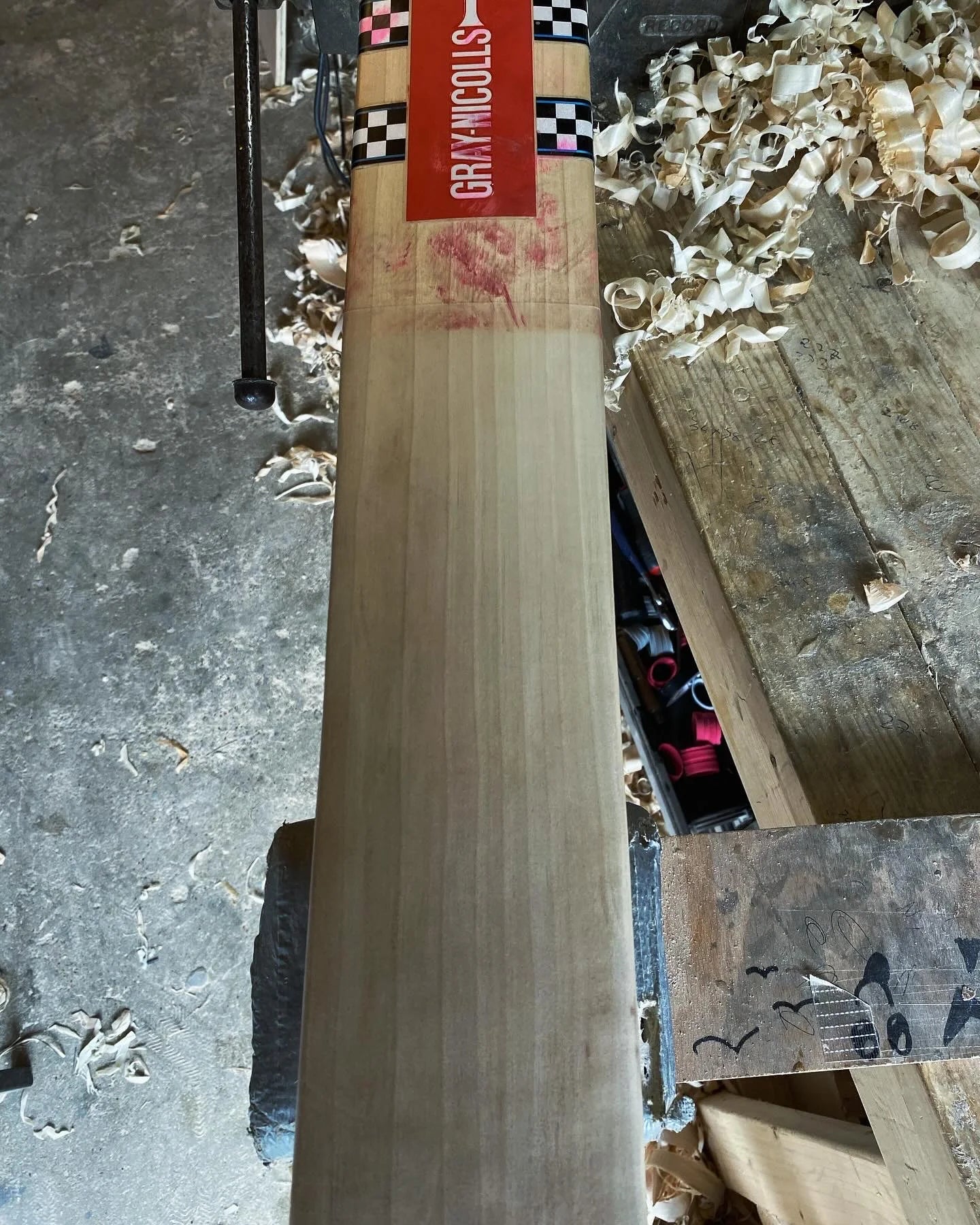
Polishing with a cricket bat beeswax, using separate polishing wheels dedicated to beeswax application ensures a uniform and gentle application over the bat's surface.

The above image shows me adding the beeswax to the polishing wheel. The key is to not add too much!
Do You Need to Oil a Cricket Bat Before Polishing?
This is one of the questions players ask most often. Polishing and oiling are not the same thing, and they serve entirely different purposes. Polishing protects the bat's exterior. Oiling protects the inside of the bat by helping maintain moisture balance within the willow fibres, and this is the same for all cricket bats, including the most expensive cricket bat.
When Oiling Is Necessary
Not every bat needs oiling. Many modern bats are factory-oiled, partially or fully. However, an unfinished or very dry bat will benefit from a small amount of raw linseed oil applied to the face and edges. Signs your bat may need oiling include dryness, a slightly pale face, or a hollow, brittle sound when tapped.
Oiling Before Polishing
If your bat does need oiling, it should always be done before polishing. A thin coat of raw linseed oil, allowed to dry for 24 hours, prepares the willow. Polishing then seals the surface, offering moisture resistance from the outside.
Achieving the Shine: Polishing Compound Application
Following the beeswax layer, a specialised polishing compound is applied to bring out a high-gloss finish.
It's crucial to understand that this step while enhancing the bat's aesthetic, does not in any way alter its performance on the pitch. The purpose here is purely to protect the bat and to make it visually appealing.
Importance of Polishing Compound
- Enhanced Durability: The compound adds an extra layer of protection, safeguarding the bat against the rigours of play and the environment, although this is minimal.
- Visual Appeal: This final polish gives the bat a glossy, showroom-quality finish that stands out, reflecting the quality and care taken in its creation.
- Moisture Barrier: Like beeswax, this compound also repels moisture, helping extend the bat's longevity.
How Often Should You Polish a Cricket Bat?
Once your cricket bat has been polished, a common concern for players is how often the process needs to be repeated. The good news is that a well-polished bat can last a long time before it needs attention again.
Recommended Polishing Frequency
For most players, polishing once or twice per season is more than enough. If the bat is used heavily or in wet conditions, a mid-season top-up polish can restore protection and visual appeal. A good way to judge is simply by feel: if your bat starts absorbing moisture or looks dull, it’s ready for another polish. Remember to check the toe; early season, especially in the UK, can be damp, so moisture can seep into the toe area so that might also need protecting.
Does Polishing Replace Oiling?
No, polishing cannot replace oiling. Oiling helps maintain the willow's internal moisture content. Polishing protects the outside. They are complementary, not interchangeable.
Should You Polish the Edges and Toe?
Yes, absolutely. Moisture enters a bat most easily through the toe and edges, so applying beeswax and polishing compound to these areas helps repel water and prolong the life of the bat. At Trogon Cricket, every bat we finish is polished across the entire surface for complete protection.
Application Techniques
A separate polishing wheel is used to apply the polishing compound, avoiding contamination and ensuring the compound is evenly distributed across the bat's surface.
The bat, already treated with beeswax, receives this compound in a thin, even layer, which is then buffed to a high shine. This meticulous process requires precision and attention to detail, ensuring that every inch of the bat is perfectly coated and polished.

The above picture is me using the polishing wheel.
Trogon Cricket: Where Tradition Meets Innovation
Our finishing process, involving cricket bat beeswax and polishing compounds, is emblematic of our commitment to crafting bats that are not only beautiful to look at but are also imbued with the essence of cricket's rich heritage.
Customisation at Its Core
Understanding that every cricketer is unique, we offer complete customisation of our handmade cricket bats to meet all shapes, sizes, and weights, ensuring that each bat perfectly aligns with the batter's requirements.
Whether it's adjusting the balance for a light pickup or tailoring the profile for aggressive stroke play, our craftsmen are adept at creating bats that feel like an extension of the player.
Quality for Every Cricketer
Our extensive selection of grade 1, Grade 2, and Grade 3 clefts of English willow allows us to cater to a broad spectrum of players, from the aspiring amateur to the seasoned professional.
Affordability Meets Excellence
Quality should not be prohibitive. Our pricing structure is designed to accommodate all budgets, ensuring that every cricketer has access to a bat that compromises neither performance nor aesthetics.
Caring for Your Cricket Bat After Finishing
Finishing isn’t just about the shine; how you store and maintain your bat afterwards plays a huge role in its longevity.
Correct Storage After Polishing
Store your cricket bat in a cool, dry environment. Avoid damp sheds, cold garages, or areas exposed to extreme heat. A steady environment helps the willow maintain its moisture balance, which in turn helps your polish last longer.
Preventing Drying or Swelling
A polished cricket bat is much better protected, but it can still dry out or swell if kept in the wrong environment. A simple test is to feel the wood: if it becomes overly dry, a tiny amount of oil followed by a fresh polish will rebalance the bat.
Can You Polish a Bat at Home?
Yes, it’s possible to polish a bat at home, but achieving a professional finish is difficult without proper wheels, compounds and experience. Many players find home polishing leads to uneven application or too much wax. If in doubt, our Trogon Cricket bat finishing service gives a clean, protective, premium finish every time.
Buying With Confidence from Trogon
If you've reached this point, I sincerely thank you for reading it all through. Your interest and support mean the world to me, and it are greatly appreciated.
Whether you're here to learn more about our cricket bats or other products or just out of curiosity, your engagement makes a real difference. Thank you for being part of our Trogon journey.
Playing Our Part in Your Cricket Story
We know that cricket is more than just a game; it’s a passion, a community, and a lifetime of memories. That’s why every Trogon bat is made with care, dedication, and pride. We see our role as more than just bat makers; we’re part of your cricket journey.
From the first knock in the nets to the biggest innings of your career, we want to be there with you.
Choosing Trogon means choosing a bat made with honesty, integrity, and the same love for the game that you carry to the crease.
Trogon Product Guarantee
When you buy from Trogon, you’re covered by our 6-month bat guarantee. If your bat cracks or breaks within that period and has been knocked in correctly, we’ll replace it with a new one, simple, fast, and hassle-free. Combine that with your statutory online protections, and you can shop with total peace of mind.